What Does “Nani” Mean in Japanese? The Meme vs the Real Word
Nani means “what” — but yelling NANI?! is pure anime. A native speaker explains how Japanese people really say “what?”, from polite to rude, plus the meme’s origin.
Nani means “what” — but yelling NANI?! is pure anime. A native speaker explains how Japanese people really say “what?”, from polite to rude, plus the meme’s origin.
“Ara ara” isn’t a flirty catchphrase in real Japan. A native speaker explains what あらあら actually means, who says it, and why the anime version is a fantasy.
“Yare yare daze” isn’t as cool as JoJo makes it sound. A native speaker explains what yare yare (やれやれ) really means and how ordinary people actually use it.
Do Japanese people really talk like anime? A native Japanese speaker breaks down what’s real, what’s exaggerated, and which anime phrases to never use in real life.
Where did “notice me senpai” come from, and what does senpai actually mean? A native Japanese speaker explains the meme, the real senpai–kōhai culture, and where anime exaggerates.
Kawaii means “cute” — and also cool, tiny, ugly-cute, and “nice one.” A native speaker explains the real range of かわいい, plus the kawaisou trap to avoid.
“Sama” is more than “very polite san.” A native Japanese speaker explains how -sama really works — for customers, gods, letters, and why it sounds sarcastic in conversation.
A native explains what “onii-chan” really means, the whole big-brother family (nii-san, aniki, onii-san), and how anime’s version differs from how Japanese people actually say it.
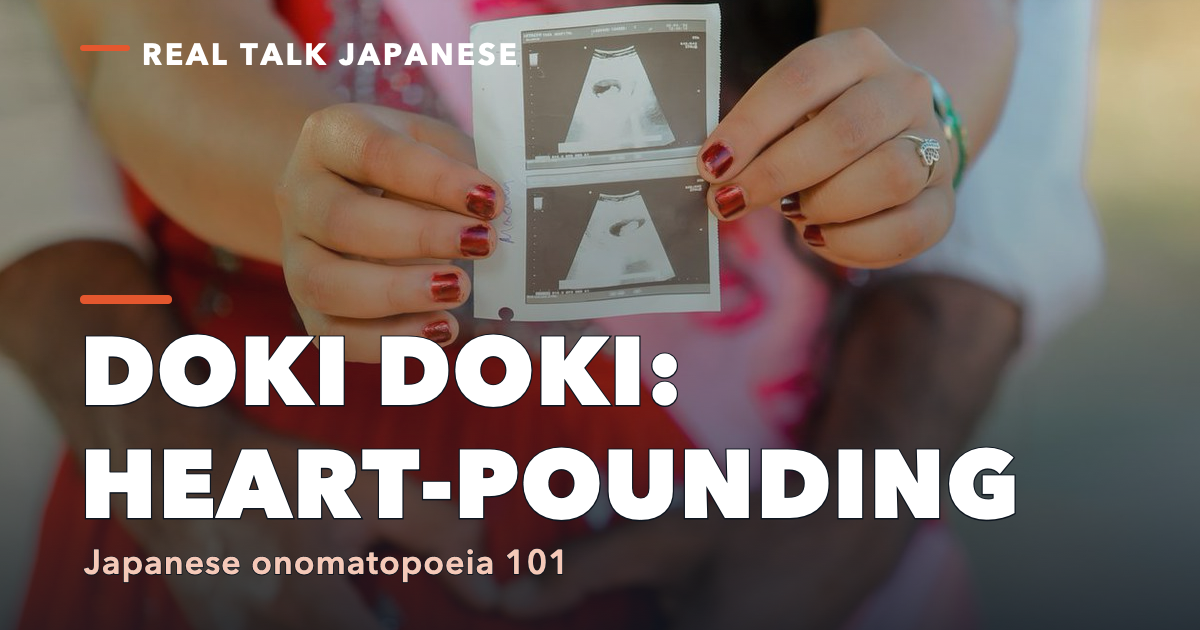
Doki doki is the sound of your heart pounding — from crushes to horror games. A native explains ドキドキ, how to use it, and the onomatopoeia family behind it.
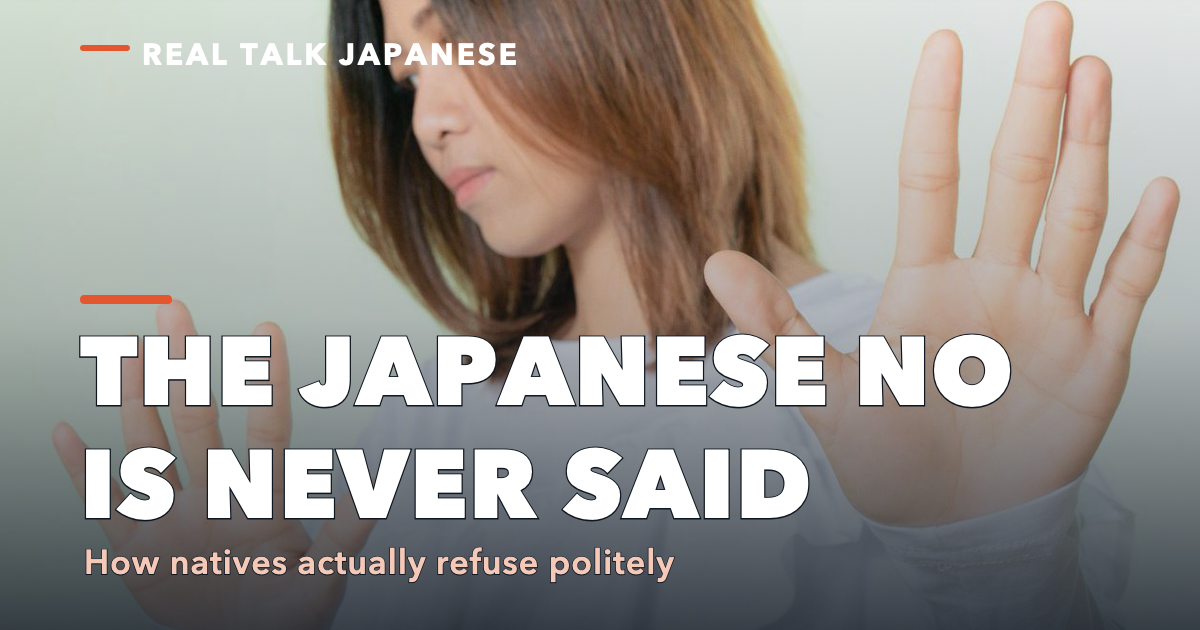
Japanese people almost never say iie. A native speaker explains how we actually refuse — the real phrases, the signals, and how to decline politely.